


Self-medication: what you need to know
Headache, fever, cold, digestive troubles: for everyday minor ailments, self-medication can help. As long as you follow a few simple rules to treat yourself safely.
1. Always ask for advice
Even without a prescription, a medicine is still a medicine. Tell your pharmacist about your current treatments, your allergies and any particular situation (pregnancy, breastfeeding, chronic illness).
2. Read the leaflet carefully
Dose, frequency, maximum duration, contraindications: everything is in the leaflet. Keep it with the box and strictly follow the stated doses.
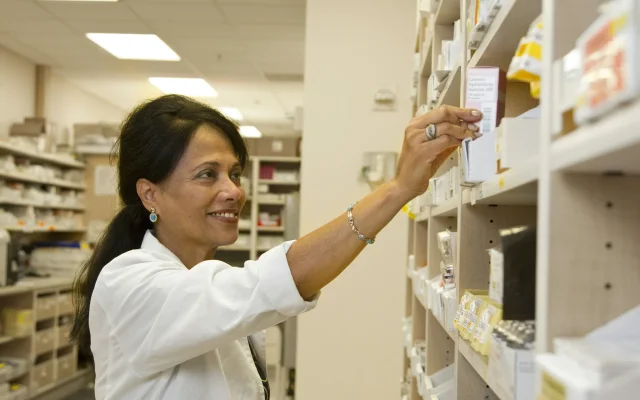
Advice at the counter, the first step to safe self-medication.
3. Watch out for duplicates
Paracetamol is found in many cold and pain medicines. Combining two products containing the same substance can lead to an overdose: always check the ingredients.
4. Keep it short
Self-medication is meant for a few days only. If symptoms persist beyond 3 to 5 days, or get worse, it is time to see a doctor.
5. Tidy your medicine cabinet
Sort it out once a year: bring expired or unused medicines back to the pharmacy, they will be recycled safely. Keep the cabinet out of children’s reach.
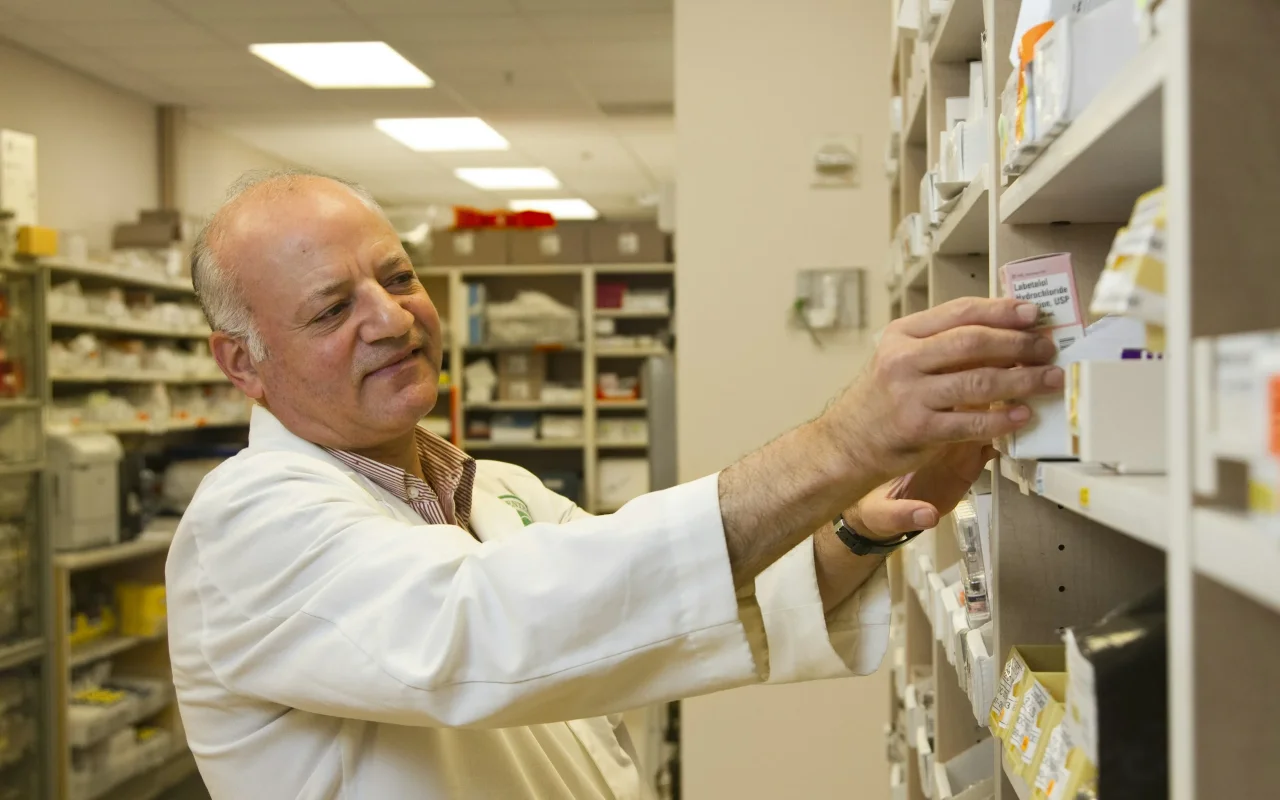
A team attentive at every step of your treatment.
Think of your pharmaceutical record
With your health card, your pharmaceutical record keeps track of dispensed medicines. It lets your pharmacist spot interactions, even for an over-the-counter purchase.
How does advice at the counter work?
A few questions are enough to suggest the right product.
Here is how it works.
A conversation about your symptoms
Since when, how intense, for whom: this information helps us choose the right treatment or refer you to a doctor.
- The nature and duration of your symptoms
- Your current treatments and allergies
- The age and situation of the person to treat
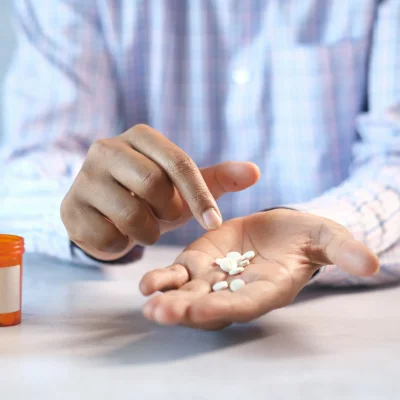
A private area to talk with peace of mind
Three steps
Listening
We review your symptoms and your state of health.
Advice
We suggest the right product and explain how to take it.
Follow-up
We tell you when to see a doctor if symptoms persist.

Products selected by our pharmacists
When to see a doctor
Some situations call for a doctor’s opinion rather than self-medication:
- For infants, pregnant women or the elderly
- In case of high fever or intense pain
- If symptoms last more than a few days
Treating yourself well also means knowing when to ask for advice.
If in doubt
In case of an unusual reaction after taking a medicine (swelling, rash, difficulty breathing), call 15 immediately.
Our team is here to reassure and advise you.

A team that listens
A question about a medicine?
Unsure about a treatment or a prescription to prepare?
Our team will answer.